
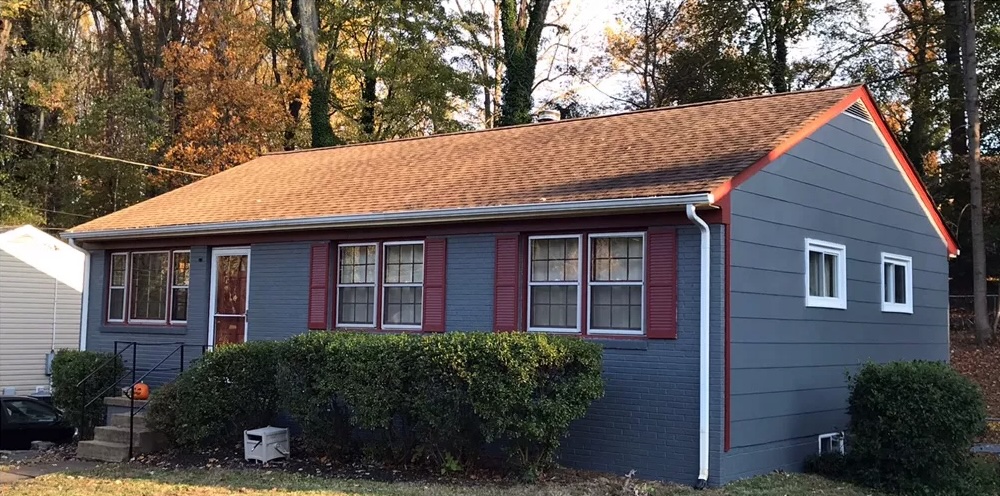
What to Expect When You Hire an Exterior House Painter: A Step-by-Step Walkthrough
Hiring an exterior house painter is a significant decision for any Earlysville homeowner. You're entrusting someone with the curb appeal and protection of your home, so it's natural to wonder what the process actually looks like from start to finish. When you know what to expect hiring an exterior house painter, you can feel confident in your choice and avoid common pitfalls that lead to disappointing results.
The right painter will walk you through each step, answer your questions honestly, and deliver quality work that lasts. In this guide, we'll break down exactly what happens when you hire a professional, the credentials you should verify, and the red flags that signal you should keep looking.
Before You Sign: Questions to Ask and Credentials to Check
Before any work begins, have a conversation with potential painters about their background and experience. Ask how long they've been painting exterior homes in the Earlysville area, what training they've completed, and whether they carry the proper licenses and insurance. A reputable house painter exterior near me should be happy to provide this information without hesitation.
Request references from recent projects—ideally homes similar to yours. Follow up by actually calling those references and asking about their experience. Was the painter on time? Did they protect landscaping and nearby structures? How do the results look after a year or two? These conversations reveal more than any marketing website can.
Pay attention to how the painter communicates. Do they listen to what you want, or do they push a one-size-fits-all approach? A good exterior painter will ask about your color preferences, discuss your home's specific challenges (like sun exposure or moisture issues), and explain why they recommend certain products or techniques.
The Inspection and Estimate: What Happens Next
After initial conversations, a professional will schedule a thorough walkthrough of your home's exterior. This isn't a quick glance—they should inspect siding, trim, fascia, soffit, and any areas that have cracked paint or damage. They'll note surfaces that need prep work, repairs, or special attention.
During this visit, they should explain what they see and why certain steps matter. For example, if your home has weathered wood trim, they might recommend stripping and staining rather than painting, or repairing soft spots before any paint goes on. This transparency helps you understand why their approach is thorough.
The estimate you receive should be detailed and in writing. It should clearly outline the scope of work, the surfaces being painted, the products they'll use, and the timeline. Vague estimates that lump everything together as one price are a red flag—professional work requires specificity.
Red Flags to Watch For During the Hiring Process
Certain warning signs suggest you should keep looking. Be cautious of painters who demand full payment upfront, offer a price significantly lower than others without explanation, or seem reluctant to provide references or insurance information. These are classic red flags that signal potential problems down the road.
Watch out for painters who rush through the estimate or seem dismissive of your concerns. If they're not listening carefully to what you want now, they're unlikely to care about details during the actual work. Also be wary of unsolicited door-to-door offers or high-pressure sales tactics—legitimate painters build their business through reputation and referrals, not aggressive marketing.
Finally, avoid anyone who won't put their promises in writing. Your contract should detail the work scope, timeline, materials, weather contingencies, and what happens if you're not satisfied. If a painter resists documenting the agreement, that's a signal to find someone else.
During the Project: What Professional Work Looks Like
Once work begins, expect professionalism and respect for your property. The painter should protect your landscaping, deck, and windows with drop cloths and tape. They should explain their daily schedule, answer questions, and keep cleanup minimal. Exterior painting typically involves surface prep (cleaning, scraping, sanding, and repairs) before any paint touches your home—this is where quality separates good painters from average ones.
A professional will manage weather considerations, won't paint in rain or extreme heat, and will communicate if delays occur. After each day's work, your yard should be respectable, not covered in debris or overspray. This attention to detail during the project reflects the care they've taken with the actual painting.
A: Timeline depends on your home's size, surface condition, and weather. A typical residential exterior takes one to three weeks, including prep and drying time between coats. Your painter should provide a realistic schedule upfront.
A: Yes. Getting three estimates from reputable painters helps you understand fair pricing in your area and compare approaches. However, don't automatically choose the lowest bid—consider the painter's experience, references, and detailed scope of work.
A: This is why your contract matters. Quality painters warranty their work and will address legitimate concerns. Discuss warranty terms—both for labor and materials—before signing.
A: You can, but exterior painting requires proper equipment, surface prep knowledge, and attention to weather conditions. Most homeowners find professional results worth the investment, especially on larger or multi-story homes.
Ready for help? When you're prepared to hire an experienced exterior painter in Earlysville, contact Pinnacle Custom Painting today to discuss your project and get started on transforming your home's appearance.